
 Contact us

We handle the earliest device designs in-house, from structural design to prototype production.
We have also formed a partnership withAMFitzgeraldwhich is based in the United States, and have established a system to solve advanced problems.


MEMS Device Design
Design
We provide development support ranging from MEMS device design, which transforms product ideas into tangible products, to prototyping and evaluation.
Our company offers custom design and development services tailored to specific applications and requirements, providing comprehensive support from structural design and simulation to process design.
Based on our extensive experience in designing diverse devices such as piezoelectric MEMS, ultrasonic MEMS, and optical MEMS, we can flexibly accommodate everything from research and development applications to designs geared towards commercialization.
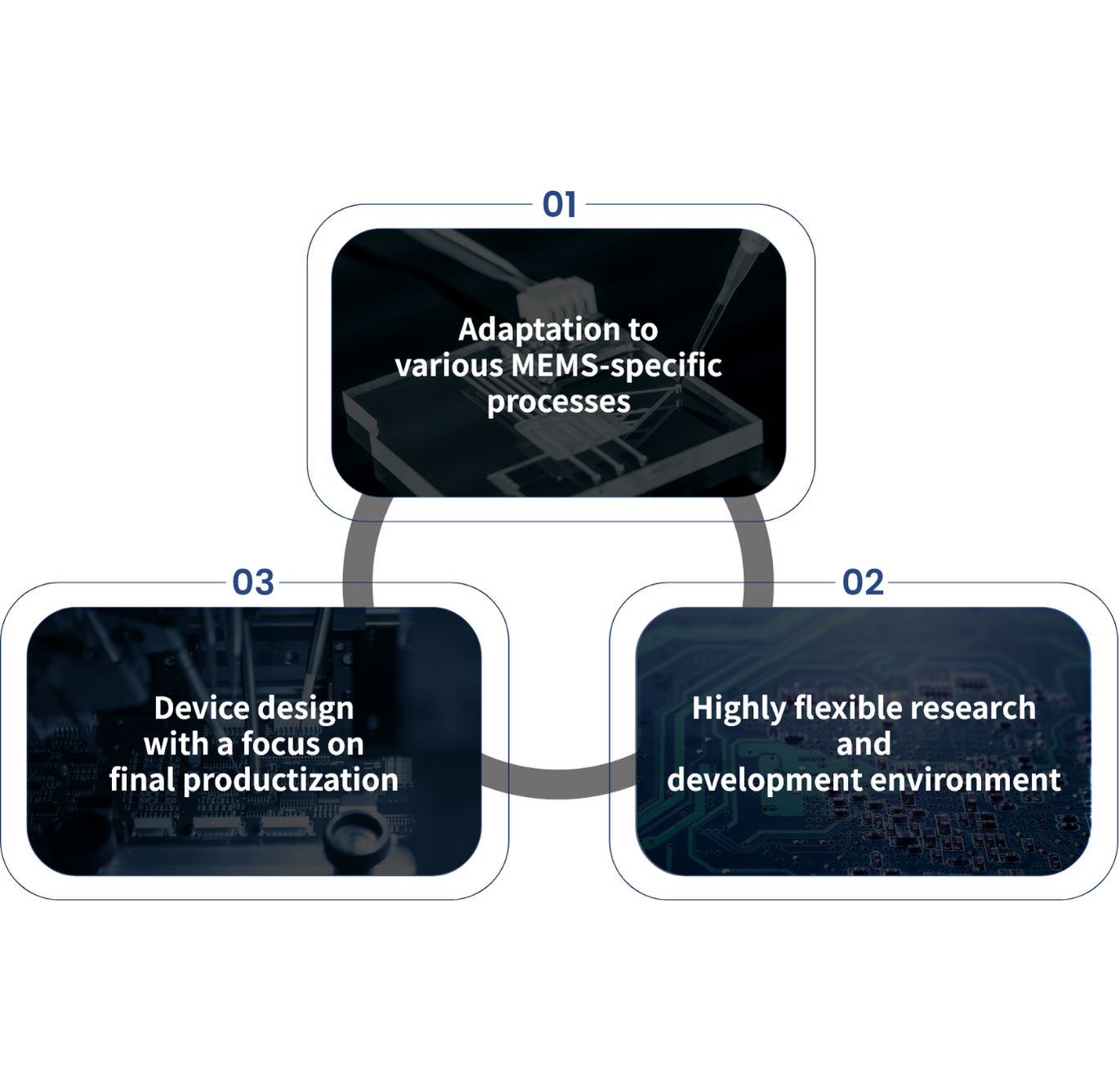
Because MEMS devices involve a complex interplay of material properties, structural geometry, and manufacturing processes, it is essential to consider process conditions from the design stage.
Our company supports multiple types of MEMS transducers, including piezoelectric MEMS, electrostatic, and electromagnetic types, and we consider the optimal device configuration according to the application and required performance.
In addition to our in-house MEMS development environment, our collaboration with AMFitzgerald, based in the United States, has enabled us to build a system capable of handling cutting-edge MEMS device design and highly complex technical challenges. We provide comprehensive support, from verification during the research and development phase to design considerations with a view to practical application.
By designing MEMS prototypes with future mass production in mind, we reduce the risk of rework in post-development processes.
MEMS prototype design is a crucial design phase for verifying whether the design and process conditions are feasible in the actual manufacturing environment, in order to commercialize MEMS devices.
MEMS is a technological field where microstructure, material properties, and manufacturing processes are closely intertwined, making it difficult to fully predict performance and reproducibility through simulations and theoretical design alone.
Therefore, it is essential to verify the validity of the design and process by conducting tests using actual devices during the prototyping phase.
In the MEMS prototype design phase, the design is refined into a viable prototype device based on the results of structural design and FEM analysis, and performance evaluation and identification of manufacturing challenges are carried out. Design decisions at this stage have a significant impact not only on performance verification but also on yield, reproducibility, and future mass production feasibility.
Proceeding to mass production without sufficient prototype design carries the risk of prolonged development time and increased costs due to design changes and process modifications in later stages.
Furthermore, MEMS prototype design involves not only the development of new devices, but also the validation of existing designs, redesign due to changes in application, and final verification before mass production.
It is used for a variety of purposes. Therefore, it is not always assumed that full-scale development will be carried out, and in many cases only prototype design is performed.
Please feel free to contact us for a consultation.
In MEMS device design, it is crucial not only to optimize a single process, but also to design the entire process from technology strategy formulation to prototyping and small-scale production as a whole. By consistently handling each phase—technology strategy, structural design, process design, prototyping, and small-scale production—we comprehensively verify performance, mass producibility, and reproducibility.

We handle the earliest device designs in-house, from structural design to prototype production.
We have also formed a partnership withAMFitzgeraldwhich is based in the United States, and have established a system to solve advanced problems.

[Reference] AMFitzgerald, which is building a partnership with our company
In the initial stages of MEMS device design, we formulate a development plan that determines the direction of the device structure, materials, and processes based on the application and required specifications.
By designing the entire system not only to meet individual performance requirements but also considering future mass production feasibility, cost structure, and manufacturing risks, we prevent rework in subsequent processes.
Based on the development plan, we will perform microstructure design for MEMS devices.
In structural design, mechanical properties, resonance characteristics, and displacements are verified in advance using FEM analysis to predict performance during the design phase. Because MEMS are microstructures, even slight differences in shape or material conditions can greatly affect performance, making simulation-based analysis an essential step.
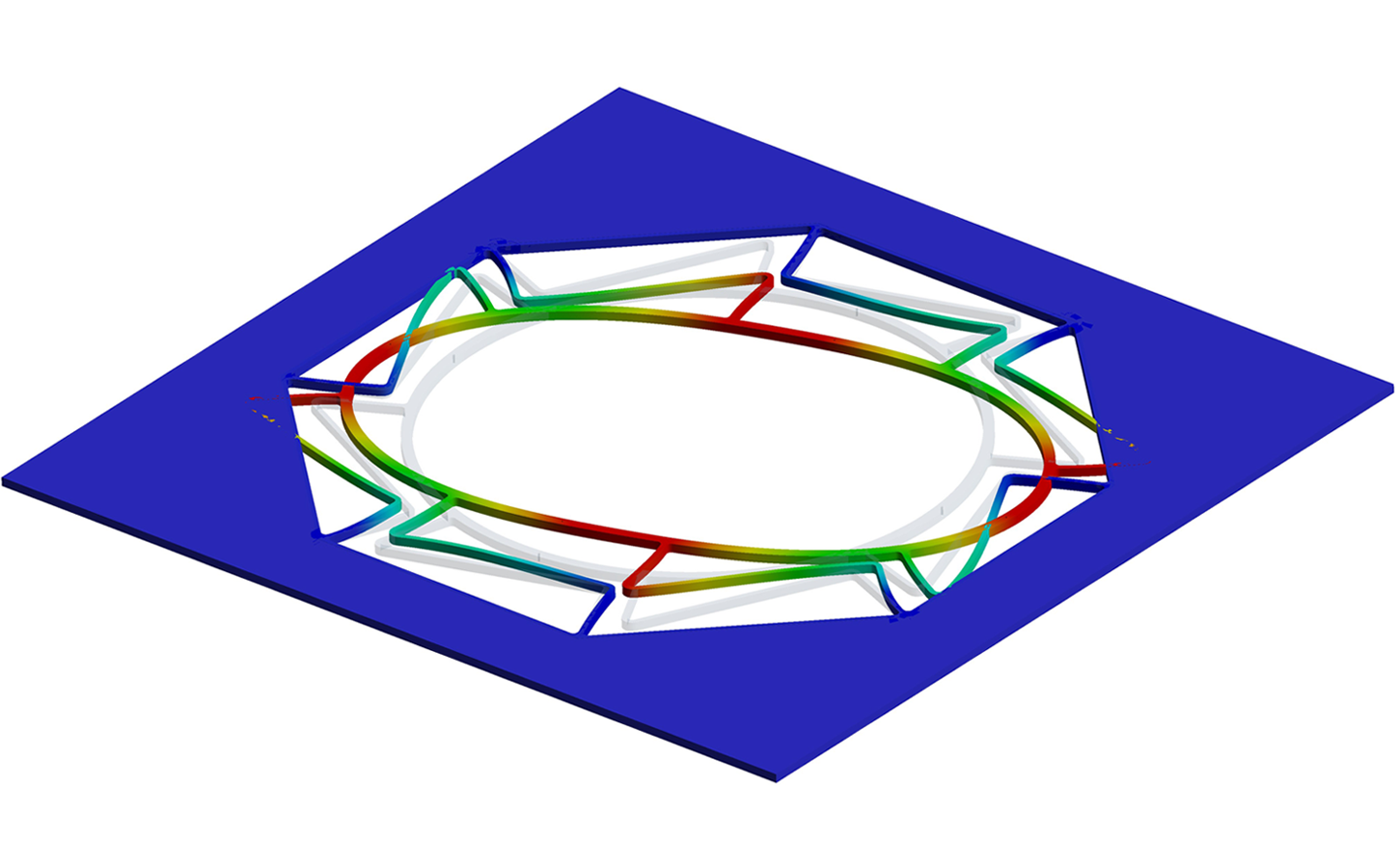
Calculation accuracy can be improved by subdividing multiple elements in a structure and adding each contact point and intermediate contacts between them. By performing strength analysis and vibration analysis, it is possible to identify problems at the design stage in order to realize the product.
Based on the simulation results, we will determine the device structure and then proceed with process design and MEMS prototype fabrication. For devices, particularly piezoelectric MEMS, we prioritize design-to-process consistency in our prototype design process.
During the prototyping phase, we evaluate the impact of process variations and structural errors that cannot be fully captured by simulation on performance, and verify them from the perspectives of performance, yield, and reproducibility. The results obtained in this process are reflected in design improvements and optimization of process conditions, and serve as important information for decisions toward the next stage, mass production considerations.
* For detailed information on processes such as film deposition and etching, please refer to the MEMS Foundry Development page.







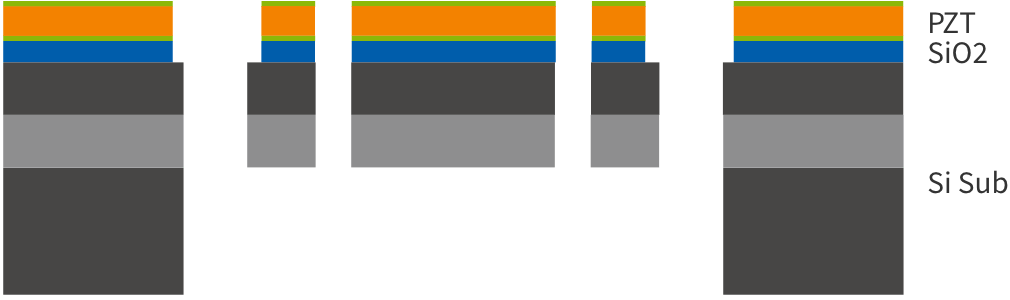





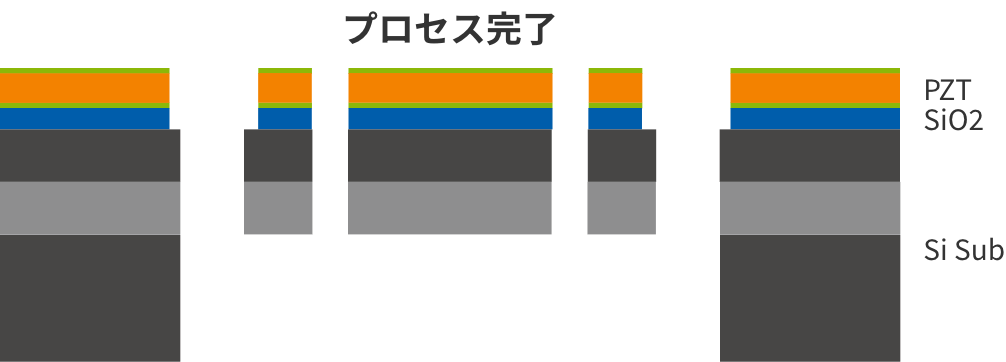
Based on the prototype results, we will make design adjustments with a view to small-scale production and mass production. We will make design adjustments with a view to stable product development and transition to mass production, while taking into account process variability, costs, and reproducibility during mass production.
| technology | electromagnetic | electrostatic | piezoelectric | Others |
|---|---|---|---|---|
| Sensor design example |
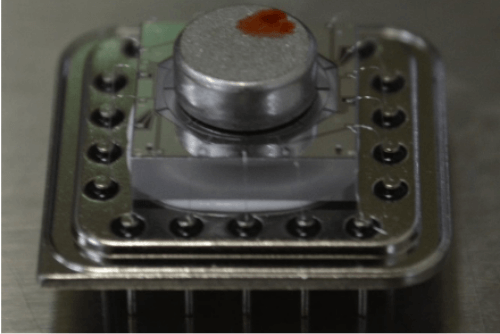
electromagnetic sensor |
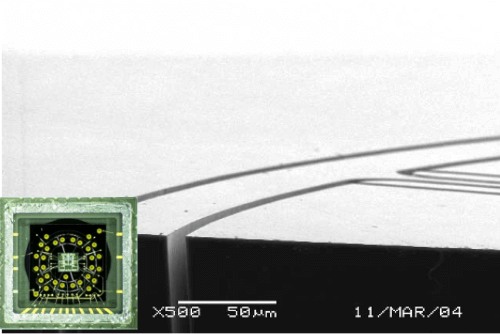
electrostatic sensor |
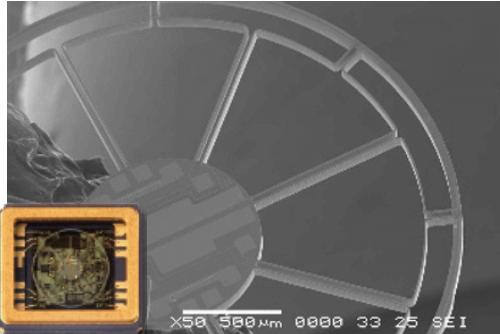
piezoelectric sensor |
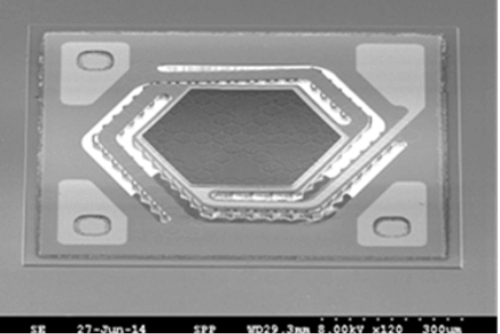
Pyroelectric sensor |
| Actuator design example |
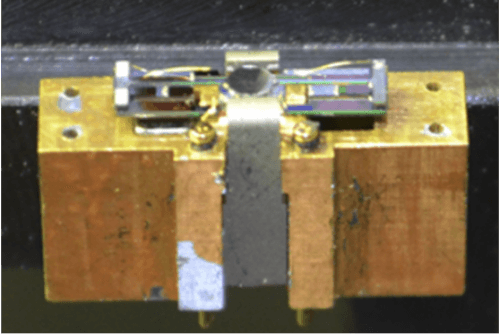
electromagnetic actuator |
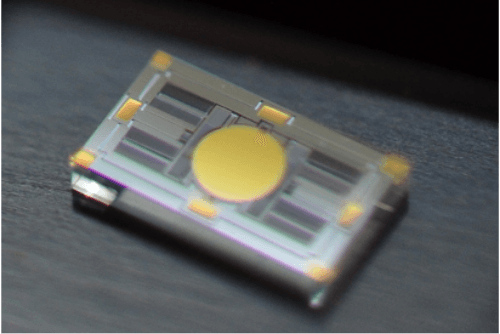
electrostatic actuator |
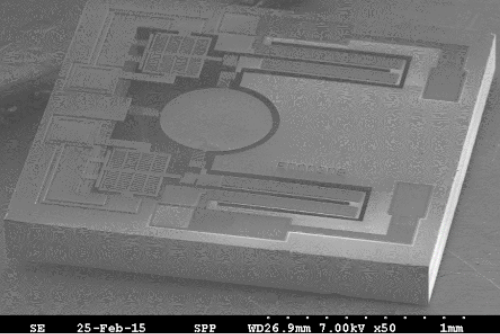
piezoelectric actuator |
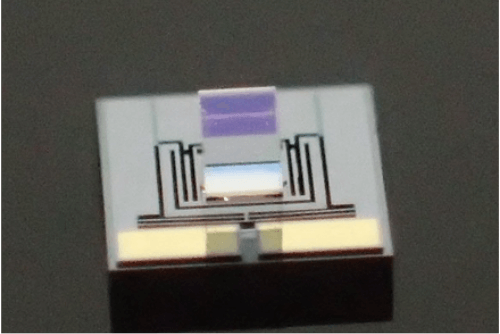
thermal actuator |